This is How a Celebration of Life is Different Than a Funeral
Discover how celebrations of life differ from traditional funerals, focusing on honoring and cherishing memories in a warm atmosphere.
Exploring meaningful memorials that inspire joy and reflection
TL;DR (Quick Takeaways)
Celebrations of life focus on celebrating the deceased’s life and achievements rather than mourning their death.
These events often include personal stories, music, and food that reflect the individual’s passions and interests.
Unlike traditional funerals, celebrations of life encourage a more uplifting atmosphere with personal touches.
They can take place in unique venues, such as the Sparks Museum & Event Center, which adds character and charm.
Planning a celebration of life involves collaboration among family and friends to create a memorable tribute.
It’s essential to consider the deceased’s personality and preferences when organizing the event.
Celebrations of life can accommodate various traditions, cultural elements, and themes that reflect the individual.
Introduction
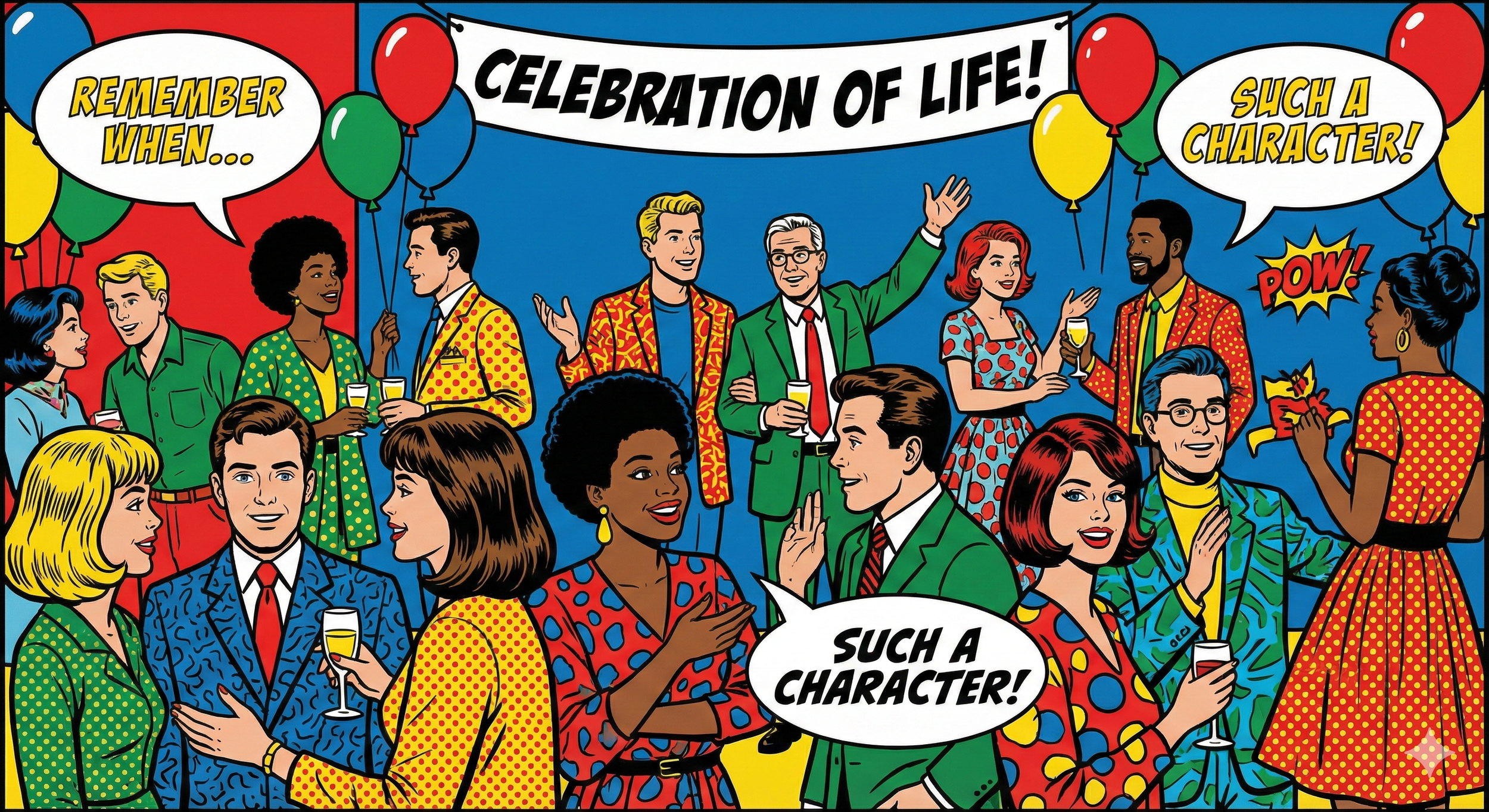
Guests mingling and engaging in storytelling at a celebration of life.
When it comes to honoring a loved one who has passed, the way we commemorate their life can vary significantly. While funerals often serve as solemn gatherings to mourn loss, celebrations of life focus on honoring the individual’s legacy through joy, reflection, and unity. This shift towards celebration rather than sorrow stems from a societal change in how we process grief and remember those we’ve lost. Instead of gathering in a heavy atmosphere filled with sadness, families are opting for events that encapsulate what made their loved ones unique.
Imagine a warm, inviting space where laughter echoes alongside shared memories, and vibrant decor reflects the personality of the deceased. At the Sparks Museum & Event Center, such moments come to life amidst our vintage charm, allowing for a beautiful and memorable tribute. Here are ways in which celebrations of life differ from traditional funerals, along with tips for creating a meaningful experience that resonates with attendees.
What is a Celebration of Life?
A celebration of life is an event designed to commemorate, honor, and celebrate the life of a deceased individual. Unlike traditional funerals, which often adhere to structured rituals and somber tones, celebrations offer a more personal and informal setting. Here, friends and family can gather to share stories, laughter, and fond memories, focusing on the happiness the person brought into their lives.
Celebrations of life vary in formality; they can range from intimate affairs held at home to larger events hosted at unique venues. Regardless of the setting, the goal remains the same: to honor the person while illuminating their personality through food, music, decor, and personal anecdotes.
“A celebration of life is less about saying goodbye and more about carrying on the spirit of the person who has passed.”
The Atmosphere: Uplifting vs. Somber
One of the most significant differences between a celebration of life and a traditional funeral is the atmosphere created during the event. Funerals traditionally focus on sorrow and grief, draped in darker clothing and dim lighting, while celebrations prioritize joy, nostalgia, and warmth.
The Sparks Museum & Event Center offers the perfect backdrop for such an event. With beautifully restored vintage architecture, original brick walls, and art deco details, the venue encourages a friendly, welcoming ambiance. Picture Edison bulbs illuminating the space alongside cheerful decorations that reflect the deceased’s personality. You might find photos adorning the walls, showcasing their happiest moments in life, inviting attendees to share in laughter as they remember their friend or family member.
This ambiance contrasts sharply with the reserved nature often associated with traditional funerals. By fostering a lighter atmosphere, celebrations of life enable attendees to focus on cherishing the memories rather than solely grappling with loss.
Personalization: Making It Unique
Another distinguishing feature of celebrations of life is the element of personalization. From the moment attendees enter, they should feel the presence of the loved one being honored. This can be achieved in myriad ways:
Theme: Choose a theme that reflects the individual's personality or interests, such as their favorite color, hobbies, or passions.
Memory Stations: Set up stations where guests can share their thoughts and stories or leave a memory for a scrapbook.
Food and Drinks: Offer favorite dishes or signature cocktails that the deceased enjoyed, all while ensuring dietary options for attendees.
Music and Entertainment: Compile a playlist of songs that held significance to the individual; this is where live musicians or a DJ can personalize the experience even further.
The table is set up for guests to share memories and create a scrapbook.
When planning your celebration of life at the Sparks Museum & Event Center, collaborating with friends and family ensures that all elements resonate deeply with attendees. Each detail matters as it contributes to a genuine and heartfelt tribute.
The Role of Storytelling
Storytelling plays a crucial role in celebrations of life. Sharing anecdotes, memories, and experiences helps paint a vivid picture of the individual, allowing guests to recall their unique qualities and moments they cherished together. Unlike the structured eulogy often seen at funerals, storytelling during a celebration encourages an open dialogue among attendees.
Setting aside time for guests to share their stories can lead to beautiful, spontaneous moments of remembrance. Imagine a space where laughter intertwines with heartfelt sentiments, grounding the evening in shared experiences.
During such gatherings at the Sparks Museum, families can curate the event to encourage storytelling with specific prompts or encourage attendees to share their best memories spontaneously. This format not only helps foster connection among the attendees but also reinforces the idea that celebrating life means reflecting on beautiful moments and victories.
Creating a Flexible Event
Adaptability is another essential feature of celebrations of life. Unlike funerals, which often adhere to strict rituals, these events can flow more organically, allowing for different experiences throughout the day. This flexibility also allows families to select creative elements that suit their personalities and needs.
The Sparks Museum & Event Center features versatile spaces that can be arranged for mingling, dining, and even slide shows or video presentations honoring the loved one. For instance, some families may choose to hold a casual buffet setup with lounge areas for guests to converse, while others may want a sit-down dinner with reflective speeches interspersed. The ability to mold the event to your vision is pivotal in creating a memorable experience.
Additionally, consider augmenting the celebration with activities such as:
Memory Crafts: Create a DIY corner where attendees can write messages or paint to create a collective remembrance piece.
Favorite Stations: Set up areas with items related to the deceased’s hobbies—like a gardening corner if they loved plants or a book nook for the literature enthusiasts.
In a space like Sparks, the team is ready to walk you through customized layouts that will keep conversations flowing and comfort levels high, ensuring the atmosphere of togetherness prevails.
Incorporating Cultural Traditions
Celebrations of life can incorporate various cultural elements and traditions, respecting the beliefs and views of individuals and families. This aspect makes them more personal and reflective of the individual’s life journey. For instance:
Cultural Elements: Some cultures might feature specific rituals or ceremonies, such as lighting candles, sharing traditional foods, or incorporating music and dance traditions.
Symbolism: Families might include meaningful symbols or artifacts, such as a family tree, that guests can admire.
Food layout highlighting favorite dishes of the person being honored.
Integrating these elements creates a rich tapestry of experiences, allowing attendees to feel connected not just to the individual being honored but to each other, fostering a profound sense of community and belonging during the event.
Finding the Right Venue
Choosing the correct venue is integral in setting the stage for a celebration of life. The right environment amplifies the celebration and enhances the overall experience.
The Sparks Museum & Event Center, with its unique blend of vintage charm and contemporary function, makes an ideal backdrop for your event, allowing families to craft a celebration that reflects the essence of their loved ones. The flexibility of the space means you can customize it according to your needs—be it an intimate gathering or a larger celebration tapping into the surrounding charm of downtown Provo.
Additionally, a venue with character complements the emotional richness of the event, providing attendees with a space that feels inviting and engaging. Opt for venues that offer a combination of warmth, versatility, and historical charm, reflecting the individual you're celebrating.
Practical Steps to Plan a Celebration of Life
Planning a celebration of life involves several steps, but with some organization and heartfelt details, it can become a fulfilling experience. Here is how to create an unforgettable tribute:
Formulate a Team: Gather friends and family to brainstorm ideas and delegate tasks.
Choose the Venue: Consider your options and select a spot that resonates with the deceased’s personality.
Create a Guest List: Develop a list of those who should attend the memorial, considering all relationships.
Personalize the Event: Incorporate elements that reflect the individual, such as their interests, favorite foods, and heartfelt anecdotes.
Communicate Details: Share information through invitations or social media, highlighting the event's significance.
Capture Memories: Consider hiring a photographer or providing guests with disposable cameras to document the event.
Follow Up: After the event, connect with attendees via thank you notes, sharing photos and memories from the celebration.
Common Mistakes to Avoid
While planning a celebration of life, it’s essential to recognize common pitfalls to ensure a smooth experience:
Ignoring Personal Preferences: Failing to incorporate the deceased's personality may detract from the celebration's significance.
Overlooking Logistics: Details such as parking, accessibility, and accommodations for guests should be addressed ahead of time.
Cramming Too Much into One Day: Leave enough room for mingling and storytelling—intimacy allows for deeper connections during the gathering.
The Healing Aspect of Celebrations of Life
Celebrations of life often serve as a healing platform for those left behind. Being surrounded by loved ones who share similar grief can create a profound sense of comfort. Additionally, sharing stories and achievements can remind attendees of the legacy their loved one left behind, encouraging a positive, forward-looking perspective.
As attendees gather together in celebration, bonds can strengthen, with the shared experience weaving a sense of community. At Sparks, numerous families have shared their testimonies about healing and connection found during such events, illustrating their power in processing grief.
FAQ Section
Guests connecting and remembering a loved one together.
What should I include in a celebration of life?
A celebration of life can include favorite foods of the deceased, personal mementos, photo displays, and shared stories. Music and entertainment that resonate with the individual can also help establish the atmosphere.
How do I choose a venue for a celebration of life?
Consider a venue that reflects the personality of the deceased. Look for spaces that can accommodate your guest list comfortably, offer necessary amenities, and have an inviting ambiance. The Sparks Museum offers unique charm and flexibility for such gatherings.
Can celebrations of life be formal?
Yes, celebrations of life can be formal if desired. Families may opt for a sit-down dinner and include speeches or eulogies within the program.link
How do I ensure everyone feels included?
Encourage guests to share stories and memories during the event, and create spaces conducive to interaction. Consider a memory-sharing table or designated areas where guests can gather and recall fond moments.
What are some unique ideas for a celebration of life?
Consider incorporating elements like themed decor, memory crafts, or music reflective of the deceased's journey. You might also include interactive stations, such as a scrapbook corner or a video montage that celebrates their life.
How can I personalize the event further?
Personalization can be achieved through details such as customized invitations, a signature drink, tribute displays, and even a memory tree where guests can hang their notes for the family.
What is the significance of a celebration of life?
Celebrations of life signify a shift from mourning to celebrating unique experiences and memories, allowing attendees to connect over shared love and respect for the deceased. They can be a vital step in the healing process.
Honoring a loved one who has passed can take many forms, but choosing to celebrate their life brings joy, warmth, and heartfelt remembrance into the forefront. By choosing vibrant decor, personal anecdotes, meaningful music, and a venue with character like the Sparks Museum & Event Center, families can craft unforgettable celebrations that resonate deeply with attendees.
These gatherings shift the focus from grief to gratitude, reminding us to treasure the moments that defined the individual we’re honoring. So consider planning a celebration of life that reflects the spirit and legacy of your loved one, making it a memorable tribute for all who attend. Whether it’s a cozy gathering at home or a lavish event at a unique venue, such as the Sparks Museum, the possibilities are endless.
Begin planning today, and let’s work together to ensure your celebration of life echoes with laughter, love, and memories that will last a lifetime. Contact us or book your event and see how we can help you create an unforgettable experience.
Did you know…when you choose a locally owned wedding venue you are helping to develop and improve the local economy? It’s true, your locally owned wedding venues are small business owners who not only create hundreds of jobs for the local wedding industry every year, we actively support our local economy. Please consider a locally owned venue, you can find locally owned wedding venues featured on this wedding venue map.
How Long a Celebration of Life Lasts: The Ultimate Guide to Honoring Loved Ones
Discover how long a celebration of life should last, from activities to personal touches, in honor of your loved ones at Sparks Museum.
Discover how to make the most of your loved one's celebration of life with thoughtful duration and meaningful activities.
TL;DR (Quick Takeaways)
A celebration of life can last from a few hours to a full day.
Plan for a mix of personal reflection, sharing stories, and community gathering.
Consider location amenities when deciding duration.
Evening events may feel different and more intimate.
Always include time for food and fellowship for guests.
Personalizing the schedule enhances connection and remembrance.
The key is to foster an atmosphere of warmth and togetherness.
Introduction
An overview of the interior space available for a celebration of life.
Planning a celebration of life is an incredibly personal and heartfelt endeavor. It’s a beautiful opportunity to honor the legacy of your loved one while bringing family and friends together to share memories and support one another in grief and remembrance. However, one of the most common questions that arise is: how long should a celebration of life last?
The answer isn’t always straightforward and often depends on various factors, including the preferences of the deceased, the culture of the family, the venue, and the emotions involved. Here at Sparks Museum & Event Center in Provo, we offer a unique blend of charming vintage aesthetics and modern convenience—ideal for hosting these poignant events. In this guide, we’ll explore the elements affecting the duration of a celebration of life, tips on planning the event, and how to ensure it captures the spirit of the person being honored.
What is a Celebration of Life?
A celebration of life is more than a traditional funeral service; it is an opportunity to focus on the positive impact someone had on the lives of those they left behind. These events often include remembering shared experiences, storytelling, displaying photographs, and enjoying favorite foods or activities that reflect the personality of the individual commemorated.
Typically, this type of gathering allows for more personal and communal interaction than a standard funeral service. It is a chance to reconnect with memories, celebrate love, and find solace in community support—creating a fair mix of joy and nostalgia.
The Typical Duration of a Celebration of Life
The duration of a celebration of life can vary significantly, usually lasting between two hours to a full day. Here’s a closer look at the different factors influencing this timeframe:
1. Family Preferences
Engagement of Family & Close Friends
Every family has its customs and practices when it comes to commemorating a loved one. Some families prefer intimate gatherings that last a couple of hours where they can share heartfelt stories and maintain a low-key atmosphere. Others choose elaborate events, perhaps spanning a full day or evening, infused with activities that celebrate the deceased's passions, traditions, or culture. It’s essential to consult with family about their preferences to foster a shared sense of comfort.
2. Cultural Practices and Beliefs
Honoring Traditions
Cultural traditions play a vital role in shaping the structure and time length of a celebration of life. Various religious or cultural backgrounds may have specific practices that dictate how long ceremonies should last, including rituals and communal meals that provide a deeper sense of closure. Understanding this context can provide valuable insight into planning an event that respects and honors these traditions.
3. Venue Considerations
Attendees gathering and sharing stories during a celebration of life.
Space Equals Time
The choice of venue can also have implications for the length of the celebration. At Sparks Museum & Event Center, we offer various spaces perfect for intimate gatherings and larger functions alike, with the right amenities to accommodate every need. Depending on what activities you plan, ensure the venue can comfortably support the number of attendees while offering flexibility in time management—whether you choose to have an extended event or a more concise gathering.
4. Event Activities and Programming
Setting the Scene for Sharing
A celebration of life might include a series of planned activities—from sharing heartfelt stories to creating a memory table or video montage. All of these activities require time to unfold naturally. Consider including:
Musical tributes: If the deceased had favorite songs, allocate time for performances or playlists.
Memory sharing: Allow guests adequate time to come forward with memories and reflections.
Food and drinks: Ensure enough time for guests to mingle and eat, as this is often when connections form. Each segment should flow with a rhythm that respects guests’ emotional journeys, ensuring the day feels organic rather than rushed.
5. The Time of Day**
Creating Different Vibes
The time of day affects the ambiance significantly. Afternoon celebrations may feel more casual, while an evening event with dimmed lighting and personal stories is often more intimate.
If you choose to host an evening celebration of life at Sparks Museum, you might also consider time for a sit-down dinner and more personal interactions among guests. Explore how light affects mood and choose your timeframe accordingly.
“Celebration is a bridge between remembering and rejoicing—the light feels brighter at sunset.”
Crafting a Thoughtful Schedule
Once you’ve established a general timeframe for the celebration, it’s helpful to craft a more detailed schedule. Here’s how to approach creating the perfect mix:
Sample Schedule
Welcome Reception (30 minutes): Greet guests as they arrive, offering beverages and light snacks.
Opening Remarks (15 minutes): A family member or close friend may share a few words to set the tone.
Sharing Memories (1 hour): Open the floor for attendees to share their memories.
Musical Tribute (30 minutes): Play a selection of songs that resonate with the life of the person.
Food & Fellowship (1 hour): Transition to shared meals—this could be buffet-style or a sit-down dinner.
Closing Remarks (15 minutes): Offer gratitude and reflections as the event draws to a close.
Optional Extra Time (30 minutes): Allow for lingering conversations and connections among guests, enhancing the event’s emotional depth.
By planning out a flexible yet structured schedule, you can facilitate an event that promotes connection and evokes joy.
Tips for Making it Memorable
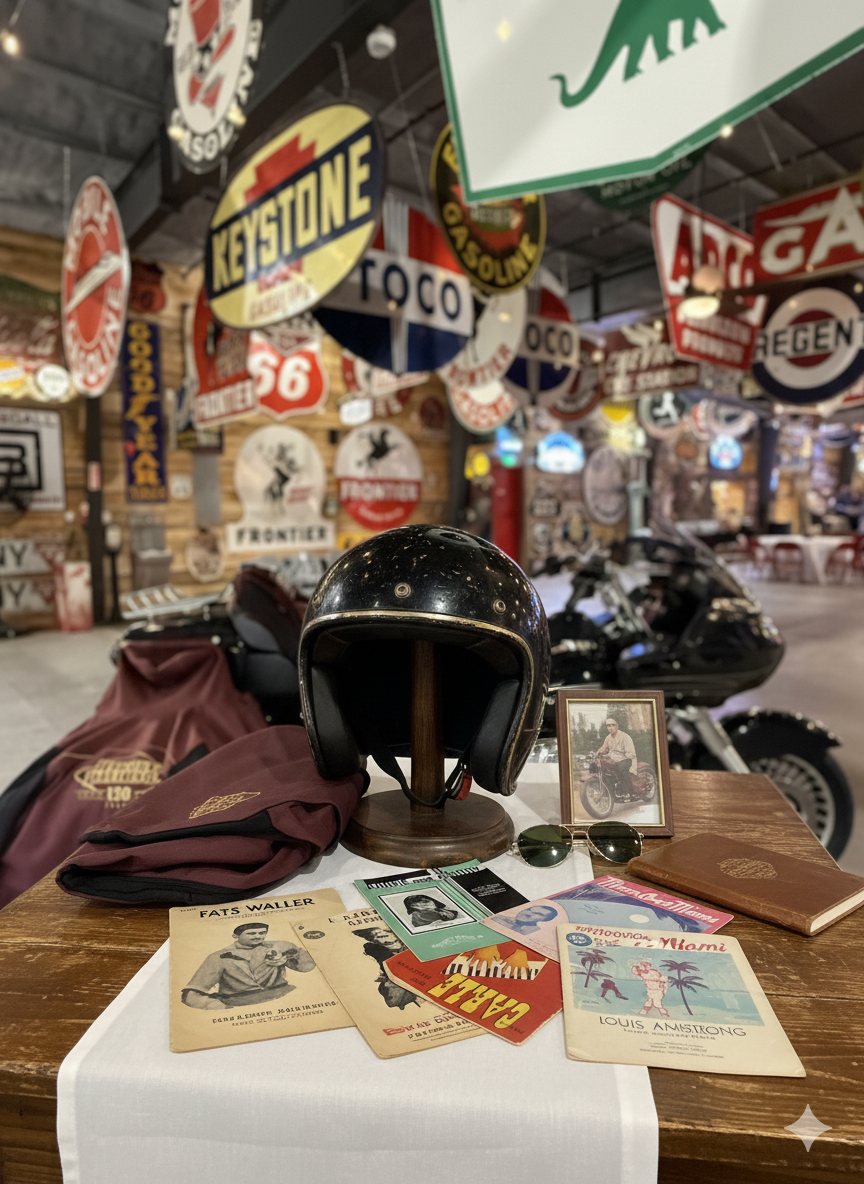
A memory table set up showcasing photos and memorabilia of the deceased.
To ensure the celebration of life resonates with guests, here are a few tips:
1. Personalize Decorations
Consider setting up photos, memorabilia, and decorations that highlight significant moments in the deceased's life. At Sparks Museum, you might use our vintage backdrops to enhance the ambiance while telling a beautiful story through imagery.
2. Use a Memory Table
Set aside a special table for guests to bring photos, notes, or stories to share. This interactive aspect encourages guests to engage emotionally and becomes a centerpiece for conversation.
3. Engage a Speaker or Facilitator
You may want to consider hiring a professional speaker or facilitator to lead the ceremony, sharing insights into the deceased’s life and guiding guests in sharing memories. This often enriches the storytelling experience.
4. Incorporate Multimedia Elements
Photographs, slideshows, or video tributes can uplift the mood while transporting attendees through memories. Allocate a segment for this, as it can foster shared emotion and connection.
Importance of Food and Comfort
A beautifully arranged catering setup intended for a celebration of life.
One of the essential elements of any gathering is, of course, food. At Sparks Museum, we can cater events with delightful hors d'oeuvres or set up full meal options that align with the character of the person being honored. Here’s why providing good food matters:
1. Promotes Connection
Feeding people fosters a sense of togetherness. It allows space for interactions and storytelling over shared plates—what many cultures celebrate!
2. Offers Comfort
Let’s face it; food is comforting during times of grief. Providing guests with familiar flavors or favorite dishes of the loved one can create memorable experiences.
Behavioral Considerations for Guests
Depending on how people perceive the event, you may notice varying behaviors among guests: Some may wish to share stories, while others have their own emotional journey to navigate. Understanding that everyone processes grief differently allows you to create an inclusive atmosphere. Encourage guests to mingle and engage at their comfort levels. Keeping a relaxed flow ensures everyone feels respected in their emotional expression.
Common Mistakes to Avoid During Planning
Being clear on what to avoid can save a lot of heartache while planning:
1. Over-scheduling Activities
While it is tempting to generate a packed schedule, it can lead to rushed moments and diminish the experience. Aim for a balance of structured activities and open time for personal sharing and reflection.
2. Ignoring the Facilities
Ensure that the venue has the facilities to accommodate all guests, including provisions for those with mobility issues, children, and elderly relatives.
3. Forgetting Personal Touches
Unique decoration elements highlighting the deceased's passions.
With everything going on, don’t forget to incorporate details that reflect the personality of the deceased. Small touches can make a significant difference in the emotional resonance of the event.
FAQ Section
How long is a typical celebration of life?
Most celebrations of life usually last anywhere from two hours to a whole day, depending on family preferences, cultural practices, and selected activities.
Can we have a celebration of life without a religious aspect?
Absolutely! Celebrations of life often focus on personal stories and memories without any religious implications, allowing for a more flexible expression of remembrance.
Should we serve food at a celebration of life?
Yes, having food is a vital part of any gathering. Food promotes connection and offers comfort, making this a much more engaging experience for attendees.
Can we include entertainment?
Incorporating entertainment like music, poetry readings, or storytelling can enhance the heartfelt atmosphere and provide meaningful connections among guests.
What if we want to have the event outdoors?
Outdoor celebrations can be beautiful, though it's essential to have a backup plan in case of inclement weather. Consider venues with an indoor option, like Sparks Museum, that cater to such needs.
Planning a celebration of life is about striking the right balance between honoring the memories while allowing for the joy of connection with others. Here at Sparks Museum & Event Center, our picturesque venue—marked by vintage charm and modern functionality—provides a backdrop perfect for any touching tribute. Whether you choose a brief but impactful gathering or an all-day event filled with storytelling and remembrance, the key lies in fostering an environment that encourages love, laughter, and healing.
If you're considering planning a celebration of life, we invite you to book a tour of the Sparks Museum & Event Center. Here, you can see firsthand the special atmosphere we offer for such meaningful occasions.
Visit Us and allow us to help you create moments of lasting joy and heartfelt remembrance—because at Sparks, we believe every life deserves to be celebrated with style and substance.
We’re on a mission to celebrate and support locally owned wedding venues—and we need your help! Want to make a real impact? It’s as easy as leaving a thoughtful Google review, following them on social media, or recommending them to friends and family. Your support means everything, and we want to give a huge shoutout to the incredible wedding venue owners across the country who pour their hearts into making dream weddings come true.

