

How Long a Celebration of Life Lasts: The Ultimate Guide to Honoring Loved Ones
Discover how to make the most of your loved one's celebration of life with thoughtful duration and meaningful activities.
TL;DR (Quick Takeaways)
A celebration of life can last from a few hours to a full day.
Plan for a mix of personal reflection, sharing stories, and community gathering.
Consider location amenities when deciding duration.
Evening events may feel different and more intimate.
Always include time for food and fellowship for guests.
Personalizing the schedule enhances connection and remembrance.
The key is to foster an atmosphere of warmth and togetherness.
Introduction
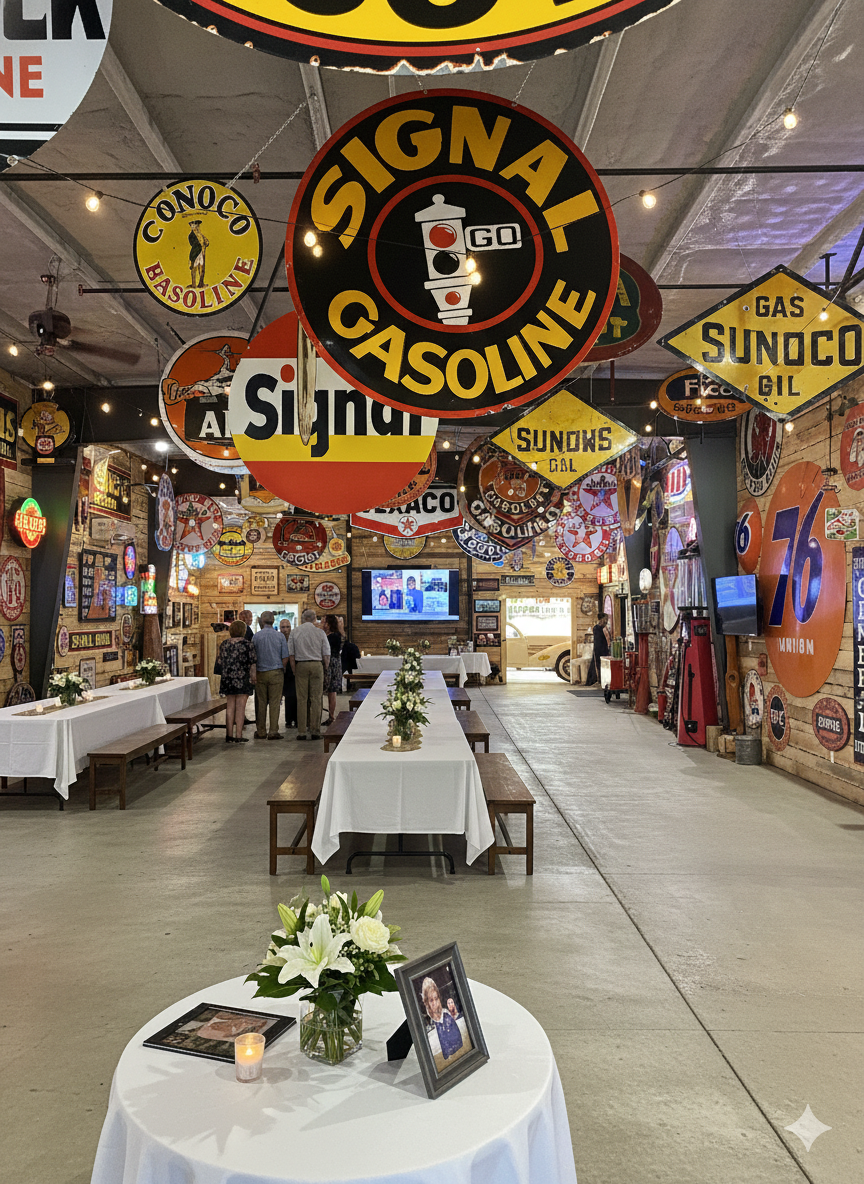
An overview of the interior space available for a celebration of life.
Planning a celebration of life is an incredibly personal and heartfelt endeavor. It’s a beautiful opportunity to honor the legacy of your loved one while bringing family and friends together to share memories and support one another in grief and remembrance. However, one of the most common questions that arise is: how long should a celebration of life last?
The answer isn’t always straightforward and often depends on various factors, including the preferences of the deceased, the culture of the family, the venue, and the emotions involved. Here at Sparks Museum & Event Center in Provo, we offer a unique blend of charming vintage aesthetics and modern convenience—ideal for hosting these poignant events. In this guide, we’ll explore the elements affecting the duration of a celebration of life, tips on planning the event, and how to ensure it captures the spirit of the person being honored.
What is a Celebration of Life?
A celebration of life is more than a traditional funeral service; it is an opportunity to focus on the positive impact someone had on the lives of those they left behind. These events often include remembering shared experiences, storytelling, displaying photographs, and enjoying favorite foods or activities that reflect the personality of the individual commemorated.
Typically, this type of gathering allows for more personal and communal interaction than a standard funeral service. It is a chance to reconnect with memories, celebrate love, and find solace in community support—creating a fair mix of joy and nostalgia.
The Typical Duration of a Celebration of Life
The duration of a celebration of life can vary significantly, usually lasting between two hours to a full day. Here’s a closer look at the different factors influencing this timeframe:
1. Family Preferences
Engagement of Family & Close Friends
Every family has its customs and practices when it comes to commemorating a loved one. Some families prefer intimate gatherings that last a couple of hours where they can share heartfelt stories and maintain a low-key atmosphere. Others choose elaborate events, perhaps spanning a full day or evening, infused with activities that celebrate the deceased's passions, traditions, or culture. It’s essential to consult with family about their preferences to foster a shared sense of comfort.
2. Cultural Practices and Beliefs
Honoring Traditions
Cultural traditions play a vital role in shaping the structure and time length of a celebration of life. Various religious or cultural backgrounds may have specific practices that dictate how long ceremonies should last, including rituals and communal meals that provide a deeper sense of closure. Understanding this context can provide valuable insight into planning an event that respects and honors these traditions.
3. Venue Considerations
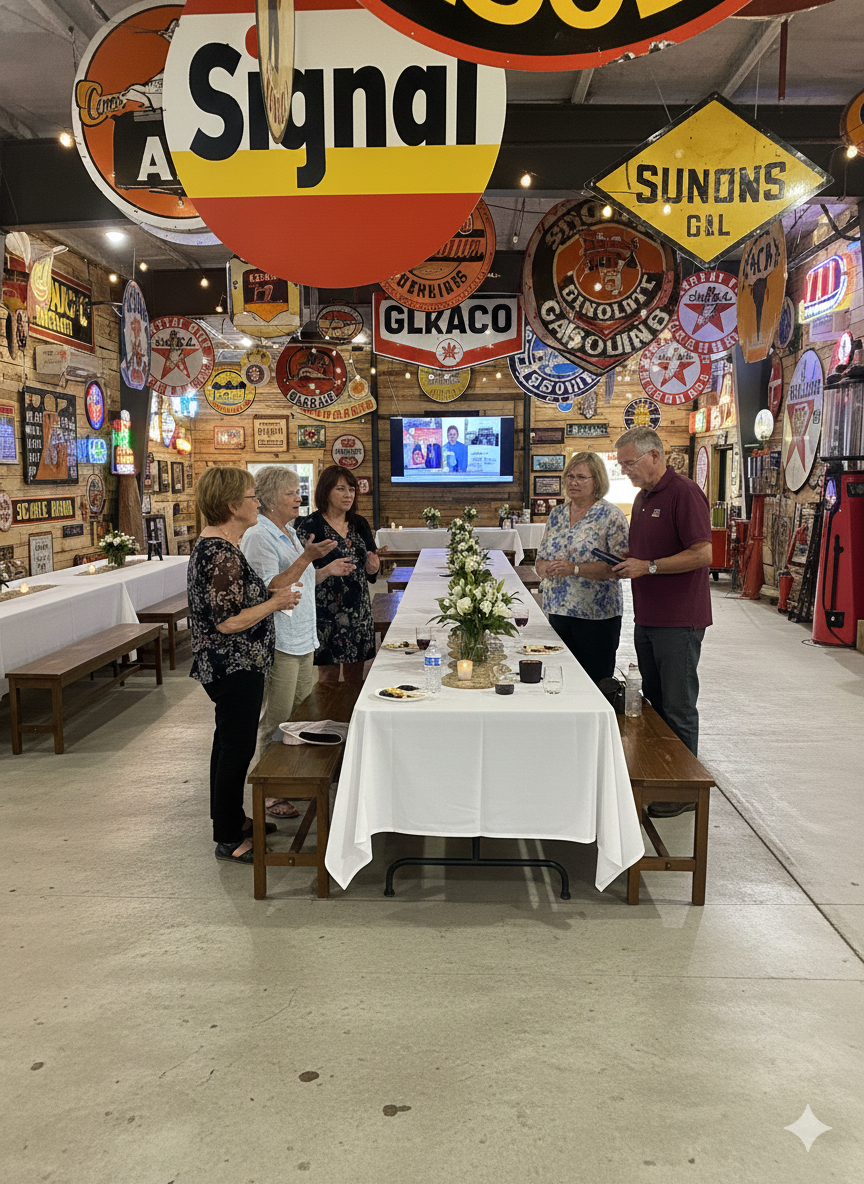
Attendees gathering and sharing stories during a celebration of life.
Space Equals Time
The choice of venue can also have implications for the length of the celebration. At Sparks Museum & Event Center, we offer various spaces perfect for intimate gatherings and larger functions alike, with the right amenities to accommodate every need. Depending on what activities you plan, ensure the venue can comfortably support the number of attendees while offering flexibility in time management—whether you choose to have an extended event or a more concise gathering.
4. Event Activities and Programming
Setting the Scene for Sharing
A celebration of life might include a series of planned activities—from sharing heartfelt stories to creating a memory table or video montage. All of these activities require time to unfold naturally. Consider including:
Musical tributes: If the deceased had favorite songs, allocate time for performances or playlists.
Memory sharing: Allow guests adequate time to come forward with memories and reflections.
Food and drinks: Ensure enough time for guests to mingle and eat, as this is often when connections form. Each segment should flow with a rhythm that respects guests’ emotional journeys, ensuring the day feels organic rather than rushed.
5. The Time of Day**
Creating Different Vibes
The time of day affects the ambiance significantly. Afternoon celebrations may feel more casual, while an evening event with dimmed lighting and personal stories is often more intimate.
If you choose to host an evening celebration of life at Sparks Museum, you might also consider time for a sit-down dinner and more personal interactions among guests. Explore how light affects mood and choose your timeframe accordingly.
“Celebration is a bridge between remembering and rejoicing—the light feels brighter at sunset.”
Crafting a Thoughtful Schedule
Once you’ve established a general timeframe for the celebration, it’s helpful to craft a more detailed schedule. Here’s how to approach creating the perfect mix:
Sample Schedule
Welcome Reception (30 minutes): Greet guests as they arrive, offering beverages and light snacks.
Opening Remarks (15 minutes): A family member or close friend may share a few words to set the tone.
Sharing Memories (1 hour): Open the floor for attendees to share their memories.
Musical Tribute (30 minutes): Play a selection of songs that resonate with the life of the person.
Food & Fellowship (1 hour): Transition to shared meals—this could be buffet-style or a sit-down dinner.
Closing Remarks (15 minutes): Offer gratitude and reflections as the event draws to a close.
Optional Extra Time (30 minutes): Allow for lingering conversations and connections among guests, enhancing the event’s emotional depth.
By planning out a flexible yet structured schedule, you can facilitate an event that promotes connection and evokes joy.
Tips for Making it Memorable
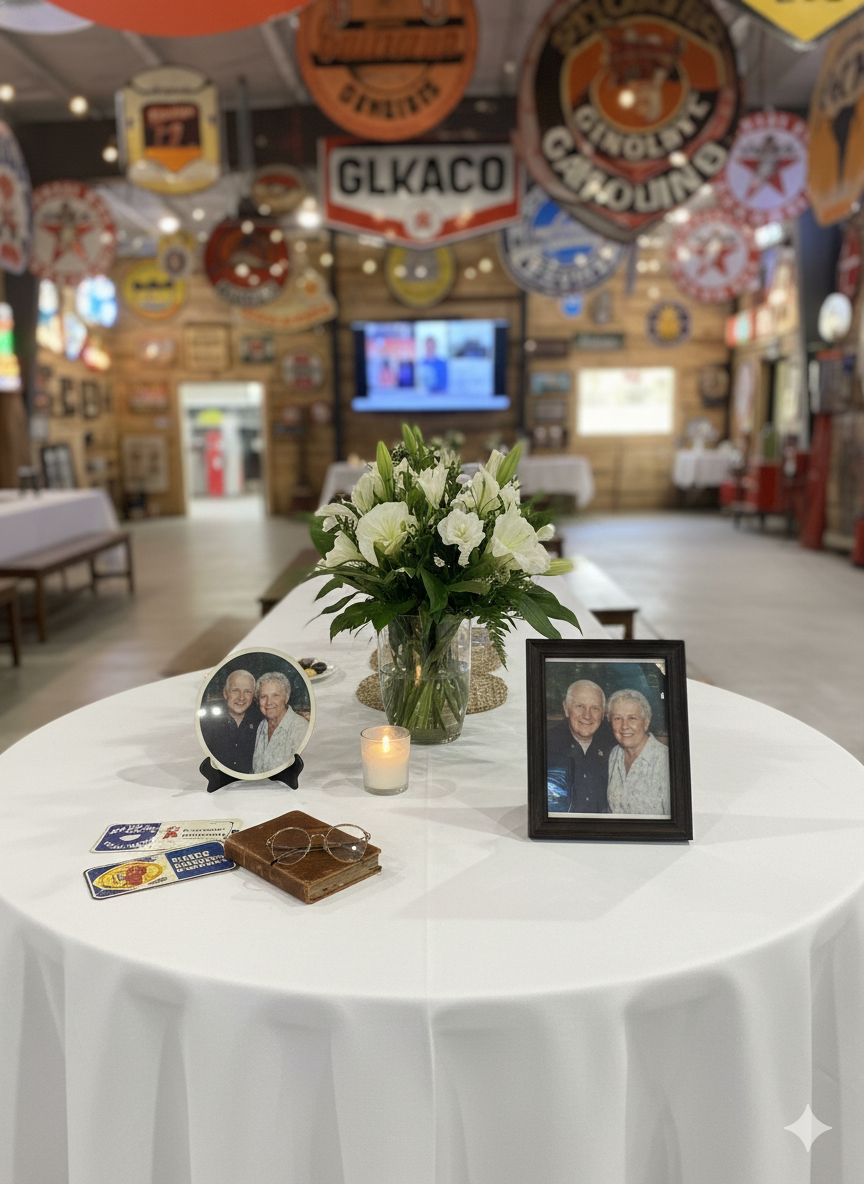
A memory table set up showcasing photos and memorabilia of the deceased.
To ensure the celebration of life resonates with guests, here are a few tips:
1. Personalize Decorations
Consider setting up photos, memorabilia, and decorations that highlight significant moments in the deceased's life. At Sparks Museum, you might use our vintage backdrops to enhance the ambiance while telling a beautiful story through imagery.
2. Use a Memory Table
Set aside a special table for guests to bring photos, notes, or stories to share. This interactive aspect encourages guests to engage emotionally and becomes a centerpiece for conversation.
3. Engage a Speaker or Facilitator
You may want to consider hiring a professional speaker or facilitator to lead the ceremony, sharing insights into the deceased’s life and guiding guests in sharing memories. This often enriches the storytelling experience.
4. Incorporate Multimedia Elements
Photographs, slideshows, or video tributes can uplift the mood while transporting attendees through memories. Allocate a segment for this, as it can foster shared emotion and connection.
Importance of Food and Comfort
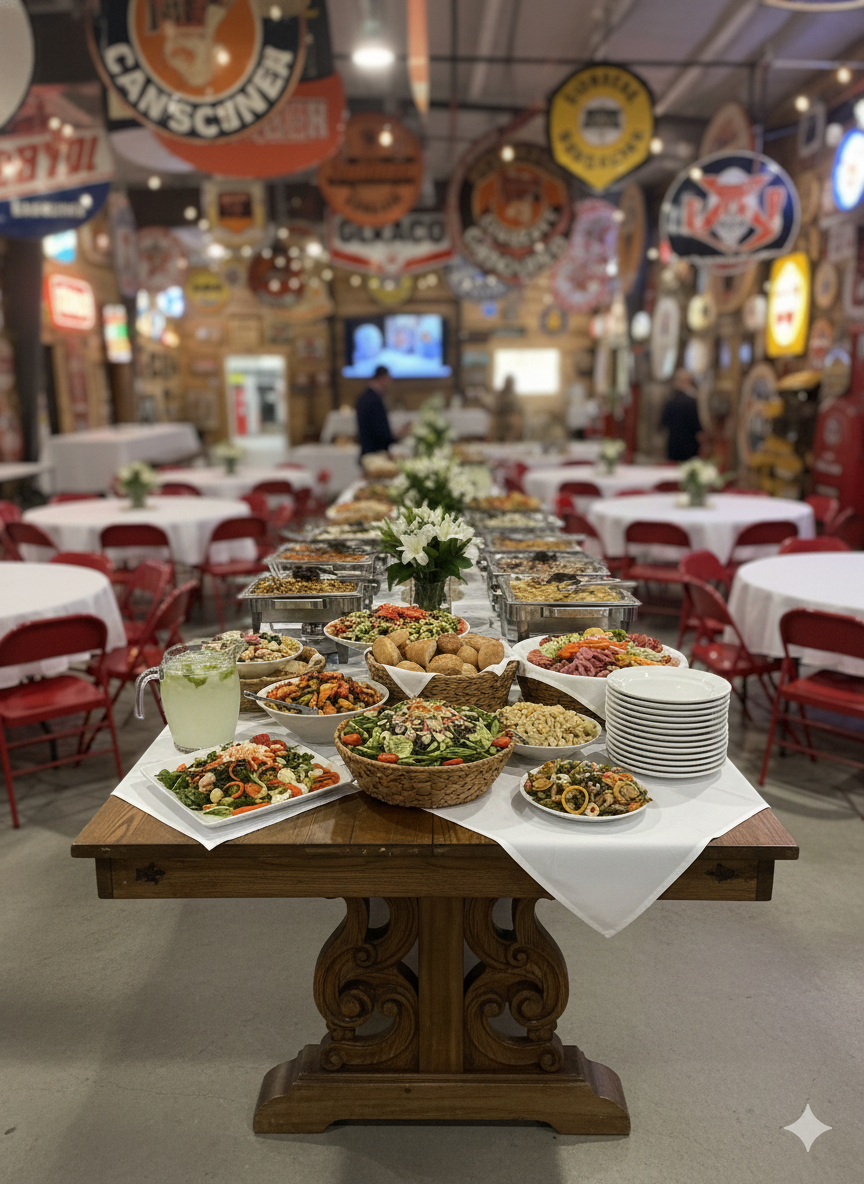
A beautifully arranged catering setup intended for a celebration of life.
One of the essential elements of any gathering is, of course, food. At Sparks Museum, we can cater events with delightful hors d'oeuvres or set up full meal options that align with the character of the person being honored. Here’s why providing good food matters:
1. Promotes Connection
Feeding people fosters a sense of togetherness. It allows space for interactions and storytelling over shared plates—what many cultures celebrate!
2. Offers Comfort
Let’s face it; food is comforting during times of grief. Providing guests with familiar flavors or favorite dishes of the loved one can create memorable experiences.
Behavioral Considerations for Guests
Depending on how people perceive the event, you may notice varying behaviors among guests: Some may wish to share stories, while others have their own emotional journey to navigate. Understanding that everyone processes grief differently allows you to create an inclusive atmosphere. Encourage guests to mingle and engage at their comfort levels. Keeping a relaxed flow ensures everyone feels respected in their emotional expression.
Common Mistakes to Avoid During Planning
Being clear on what to avoid can save a lot of heartache while planning:
1. Over-scheduling Activities
While it is tempting to generate a packed schedule, it can lead to rushed moments and diminish the experience. Aim for a balance of structured activities and open time for personal sharing and reflection.
2. Ignoring the Facilities
Ensure that the venue has the facilities to accommodate all guests, including provisions for those with mobility issues, children, and elderly relatives.
3. Forgetting Personal Touches
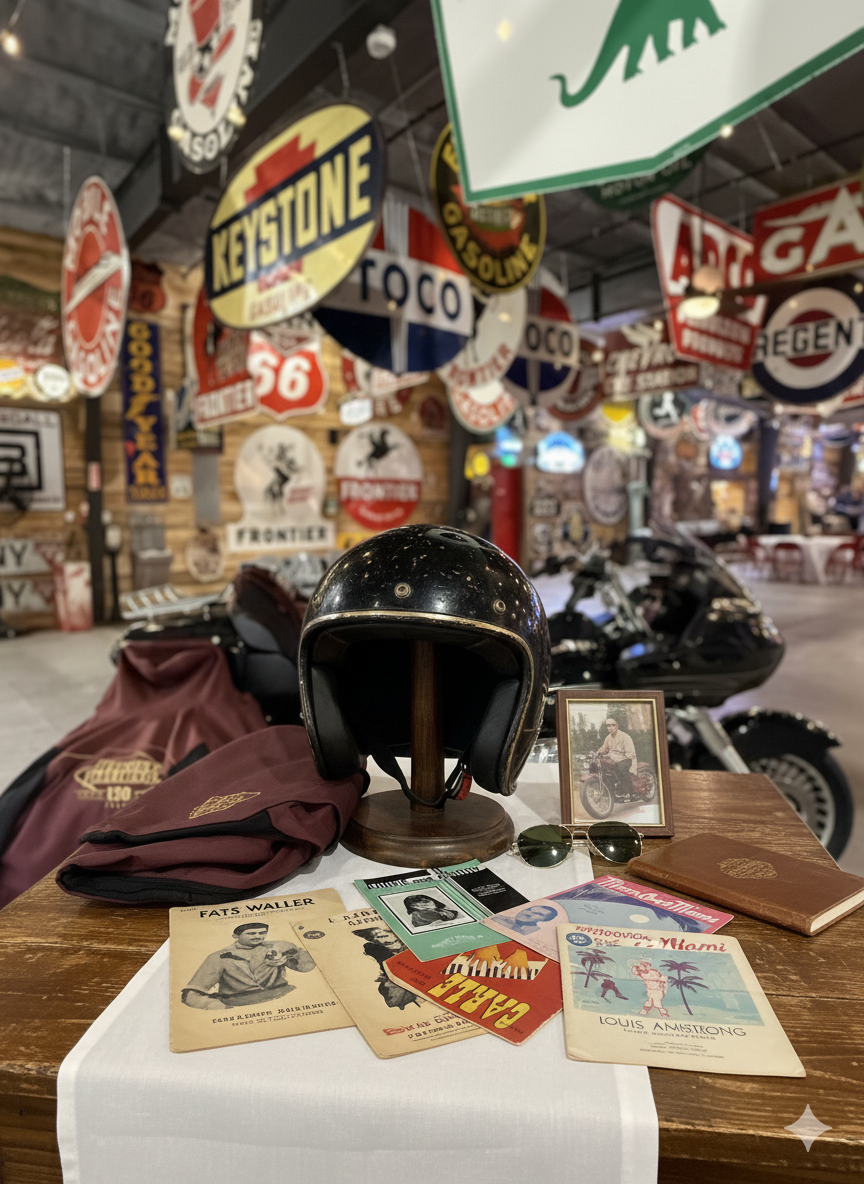
Unique decoration elements highlighting the deceased's passions.
With everything going on, don’t forget to incorporate details that reflect the personality of the deceased. Small touches can make a significant difference in the emotional resonance of the event.
FAQ Section
How long is a typical celebration of life?
Most celebrations of life usually last anywhere from two hours to a whole day, depending on family preferences, cultural practices, and selected activities.
Can we have a celebration of life without a religious aspect?
Absolutely! Celebrations of life often focus on personal stories and memories without any religious implications, allowing for a more flexible expression of remembrance.
Should we serve food at a celebration of life?
Yes, having food is a vital part of any gathering. Food promotes connection and offers comfort, making this a much more engaging experience for attendees.
Can we include entertainment?
Incorporating entertainment like music, poetry readings, or storytelling can enhance the heartfelt atmosphere and provide meaningful connections among guests.
What if we want to have the event outdoors?
Outdoor celebrations can be beautiful, though it's essential to have a backup plan in case of inclement weather. Consider venues with an indoor option, like Sparks Museum, that cater to such needs.
Planning a celebration of life is about striking the right balance between honoring the memories while allowing for the joy of connection with others. Here at Sparks Museum & Event Center, our picturesque venue—marked by vintage charm and modern functionality—provides a backdrop perfect for any touching tribute. Whether you choose a brief but impactful gathering or an all-day event filled with storytelling and remembrance, the key lies in fostering an environment that encourages love, laughter, and healing.
If you're considering planning a celebration of life, we invite you to book a tour of the Sparks Museum & Event Center. Here, you can see firsthand the special atmosphere we offer for such meaningful occasions.
Visit Us and allow us to help you create moments of lasting joy and heartfelt remembrance—because at Sparks, we believe every life deserves to be celebrated with style and substance.
We’re on a mission to celebrate and support locally owned wedding venues—and we need your help! Want to make a real impact? It’s as easy as leaving a thoughtful Google review, following them on social media, or recommending them to friends and family. Your support means everything, and we want to give a huge shoutout to the incredible wedding venue owners across the country who pour their hearts into making dream weddings come true.