

What Are Corporate Events and Why Do They Matter?
Discover the significance of corporate events and how they elevate business relationships while enhancing company culture.
TL;DR (Quick Takeaways)
Corporate events foster relationships and networking among professionals.
They can range from conferences and seminars to team-building activities.
These events boost morale, foster company culture, and drive collaboration.
Unique venues like the Sparks Museum & Event Center offer stylish backdrops for memorable gatherings.
Proper planning and execution are crucial for maximizing event success.
Introduction
Corporate events are more than just gatherings—they represent strategic opportunities for networking, education, and strengthening team dynamics. From sophisticated product launches to informal team-building exercises, these occasions help shape company culture and lay the groundwork for fruitful professional relationships. When executed well, corporate events can foster collaboration, increase employee satisfaction, and drive better business outcomes.
At Sparks Museum & Event Center, we understand the unique appeal and importance of hosting corporate events in compelling venues. Our historic location, with its elegant ambiance, not only provides a stunning backdrop but also encourages teams to thrive in an inspiring environment.
In this blog post, we will dive deep into what corporate events are, why they matter, the different types of events, how to plan them effectively, and examples of successful events hosted in unique venues like ours. We aim to provide a comprehensive guide that illustrates the significant impact these gatherings have on businesses.
What Defines a Corporate Event?
Corporate events are planned occasions organized by businesses or organizations for various purposes, such as marketing, education, or team building. Their primary aim is to bring together individuals associated with the organization, be they employees, clients, stakeholders, or partners.
These events can serve vital functions:
Networking: Corporate events offer professionals opportunities to connect, share ideas, and build valuable relationships that can benefit their businesses.
Education: Seminars, workshops, or training sessions aim to keep personnel abreast of industry trends, insights, and skills development.
Celebration: Companies utilize events to recognize achievements, celebrate milestones, or foster a culture of appreciation and engagement.
Promotion: Launching a new product or service often involves organized presentations or events to generate buzz and market engagement.
Understanding the purpose and significance of corporate events empowers businesses to leverage them appropriately in their strategy.
“Corporate events encapsulate the art of bringing people together to foster connection and growth.”
Different Types of Corporate Events
In the realm of corporate events, variety reigns supreme. Whether formal or informal, education-based or celebration-focused, the type of event reflects the organization's goals. Here are several prevalent forms:
1. Conferences
Conferences typically bring together professionals from a specific industry. They can involve keynote speakers, panel discussions, and workshops designed to foster learning and networking among attendees. Hosting a conference at an engaging venue like the Sparks Museum & Event Center can elevate the experience by creating a memorable, energetic environment.
2. Corporate Retreats
Corporate retreats are typically off-site events aimed at team building and strategizing. They provide a relaxed atmosphere for attendees to engage in discussions, plan future projects, and strengthen camaraderie.
3. Product Launches

Product launch at the museum
Product launches are opportunities to unveil new offerings to media, clients, and industry leaders. These events are crucial for generating excitement and garnering publicity, often requiring creative, branded experiences that capture the audience's attention.
4. Networking Events
Networking events are tailored to facilitate connections among professionals. Often informal, these events foster relationship-building that can lead to fruitful collaborations. Pairing these gatherings with exquisite catering in an inspiring venue can deepen connections.
5. Workshops and Training Sessions
Workshops provide hands-on experience and knowledge development in a specific area. They can be conducted in various formats and are often used to upskill employees. Educational settings benefit significantly from a venue that fosters creativity and collaboration, like our historic space.
6. Award Ceremonies
Recognizing employee achievements through award ceremonies boosts morale and inspires teamwork. Celebrating accomplishments in a unique venue like the Sparks Museum adds gravitas and elegance to the acknowledgment.
7. Seasonal Events
Seasonal events mark festive occasions and holidays, often incorporating themed activities and decor. These gatherings, whether holiday parties or summer picnics, can reinforce company cohesion and culture.
Why Do Corporate Events Matter?
Understanding the pivotal reasons behind organizing corporate events can help justify expenditures and planning efforts. Here are several standout benefits:
1. Building Relationships

Team members enjoying interactive games and activities.
Networking is at the heart of business developments. Corporate events allow attendees to meet and interact with colleagues, clients, and industry peers, forming connections that can lead to collaborations and referrals.
2. Enhancing Company Culture
Corporate events embody company values and foster a sense of belonging among employees. Regularly scheduled gatherings can foster a positive work atmosphere, leading to higher employee engagement and reduced turnover.
3. Employee Motivation and Morale
Recognizing employee efforts through events elevates morale. Celebrating achievements at events fosters loyalty and encourages employees to set and reach new goals within the organization.
4. Knowledge Sharing and Learning
Educational events help share valuable insights on various topics, keeping employees updated on trends, tools, and strategies they can implement.
5. Promoting Brand Awareness
When product launches or events draw local media coverage, they showcase the brand to a broader audience, heightening awareness and expanding market reach. These visual impressions can create long-lasting public relations benefits.
“Investing in corporate events is investing in the heart of your organization.”
The Venue Matters: Why Choose Unique Spaces?
Selecting the right venue is crucial as it sets the tone and atmosphere for the event. Unique spaces like Sparks Museum & Event Center offer distinct advantages:
Character and Ambiance: Our historic venue is rich in architectural charm, including vintage decor that inspires creativity and conversation. Such an atmosphere can stimulate attendees' engagement and foster a spirit of collaboration.
Flexibility: Our event space can accommodate a range of layouts, from intimate small gatherings to larger conferences. This versatility also allows for unique thematic presentations and decor.
Accessibility: Located in downtown Provo, our venue is easily accessible for local attendees and conveniently located for out-of-town visitors. Proximity to hotels and attractions can enhance the overall attendee experience.
By selecting unique venues for corporate events, companies create lasting impressions that resonate with attendees and inspire future collaboration.
Essential Tips for Planning Successful Corporate Events
Planning a corporate event can feel overwhelming, but following these critical steps can ensure a successful outcome.
1. Define Objectives
Understanding the goal behind the event will guide every decision, from the venue to the activities. Are you promoting a new product, educating staff, or celebrating achievements? Clarifying objectives early on sets the tone for success.
2. Set a Budget
Creating a realistic budget is essential. Consider all expenses, including venue costs, catering, materials, and entertainment, to avoid surprises later.
3. Choose the Right Venue
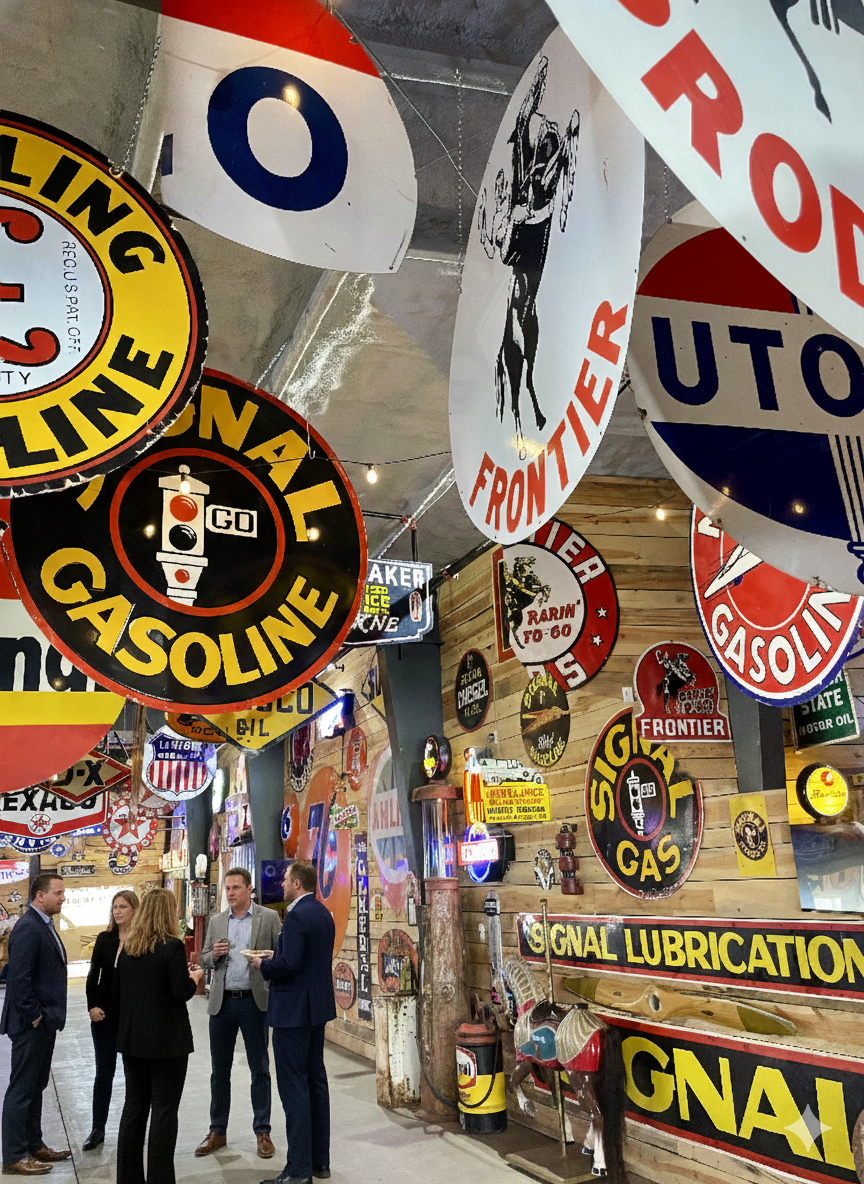
Attendees networking in the charming venue setting.
Selecting a venue that aligns with your event goals is crucial. Consider factors like accessibility, size, style, and amenities when making the choice. Venues should reflect the company's personality and the event's goals.
4. Plan Engaging Activities
Incorporate activities that not only inform but also engage attendees. Consider breakout sessions, icebreaker games, or hands-on workshops to keep participants interested and involved.
5. Promote the Event
Utilize various channels to promote the planned event—social media, email invitations, team meetings, or newsletters. Remember to highlight unique aspects of the event that attendees can look forward to.
6. Pay Attention to Details
From the catering menu to audio-visual needs, ensuring every detail is covered will contribute to a seamless experience. Consider any specific dietary restrictions when planning for meals.
7. Gather Feedback
After the event, don’t forget to seek feedback from attendees. Understanding their experiences can provide insights to optimize future events and continuously improve engagement.
“The success of your corporate event depends on the details—the more intentional you are, the more impactful your event will be.”
Common Mistakes to Avoid When Planning Corporate Events
While planning an event requires attention to detail and strategy, there are several pitfalls that one should avoid:
1. Neglecting to Set Clear Goals
Failing to define the event's objectives can lead to misalignments in planning. Ensure the goals are communicated clearly to all involved.
2. Overlooking Logistics
From transportation to technology needs, overlooking logistical factors can derail an otherwise well-organized event. Create a checklist and cover potential roadblocks ahead of time.
3. Underestimating Time Commitment
Time management is key—starting too late can put unnecessary pressure on you and your team. Plan crucial aspects well in advance to alleviate stress.
4. Not Engaging Attendees
Event attendees crave interaction and engagement. Failing to consider participation can lead to an uninspired atmosphere; be sure to keep activities dynamic and interactive.
5. Ignoring Event Follow-Up
After the excitement fades, participants may forget key details—send a thank-you note or feedback survey post-event to keep communication lines open and enhance future attendance.
FAQs
What is the main purpose of corporate events?
The main purpose of corporate events is to strengthen business relationships, enhance company culture, educate employees, and promote products or services.
How do corporate events improve team dynamics?
Corporate events enhance team dynamics by fostering interaction, collaboration, and relationship-building, leading to a more cohesive workplace culture.
What types of venues are best for corporate events?
Unique venues that reflect the brand's personality, offer modern amenities, and create an engaging atmosphere, like the Sparks Museum & Event Center, are ideal for corporate events.
How can I engage attendees during corporate events?
Engagement can be fostered through interactive activities, dynamic presentations, and creating spaces that encourage conversation and networking among attendees.
Why is feedback important after corporate events?
Feedback helps organizations learn from each event, understand attendees' experiences, and improve future gatherings by addressing any shortcomings.
How far in advance should I start planning a corporate event?
Typically, planning should begin at least 2-3 months in advance for smaller events, while larger ones may require 6-12 months to ensure all details are perfectly managed.
What are some low-budget options for corporate events?
Low-budget options can include informal gatherings at local parks, virtual meetings, or team-building activities that require minimal costs while still promoting interaction and connection.
In the sphere of business, corporate events are more than just occasions—they are pivotal moments that can shape relationships, foster collaboration, and promote growth. Whether it’s a sophisticated conference or a team-retreat, the essence of these gatherings lies in their potential to bring people together with purpose.
Hosting corporate events in unique venues like the Sparks Museum & Event Center enhances the experience. Our charming, historic space provides an atmosphere that is both inspiring and inviting, encouraging genuine interactions among attendees.
Are you ready to elevate your corporate gatherings? At Sparks Museum & Event Center, we invite you to explore our flexible, beautiful spaces to discover why we're the go-to destination for memorable corporate events in Provo, Utah. Book your event today and take the first step toward creating unforgettable professional experiences.
For more inspiration about organizing your next corporate event, visit our gallery or contact our team. We’re here to help make your vision a reality! Contact Us to get started on crafting an event that resonates.
Did you know…when you choose a locally owned wedding venue you are helping to develop and improve the local economy? It’s true, your locally owned wedding venues are small business owners who not only create hundreds of jobs for the local wedding industry every year, we actively support our local economy. Please consider a locally owned venue, you can find locally owned wedding venues featured on this wedding venue map.